Decadent Sicilian Ricotta Cheesecake Recipe You Have to Try
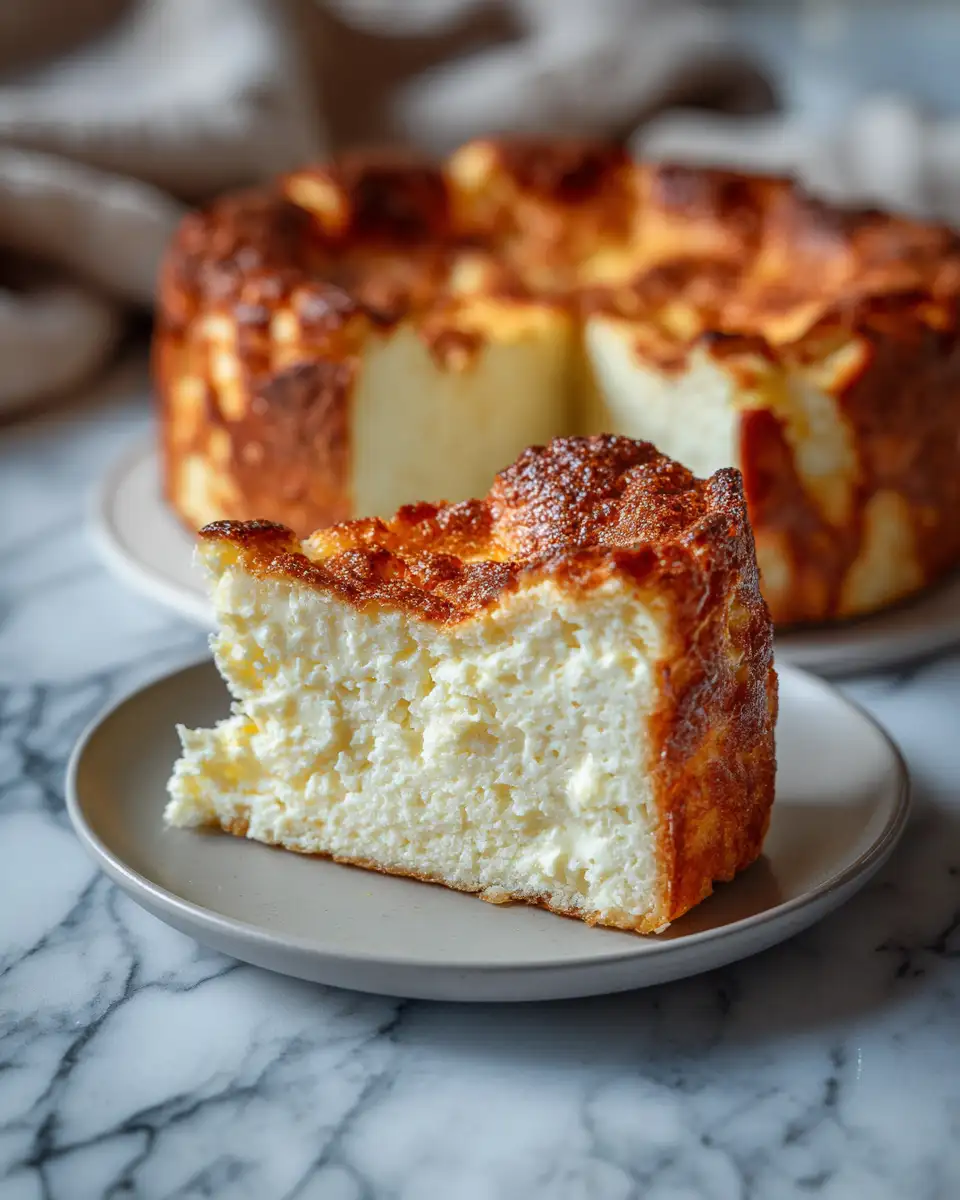
There’s something utterly enchanting about a Sicilian Ricotta Cheesecake that has always drawn me back to the kitchen, much like the familiar scent of my mother’s cinnamon-dusted apple crumbles filling our Devonshire cottage on a crisp Sunday morning. This cheesecake isn’t just a dessert—it’s a tender slice of Sicily itself, wrapped in the creamy, delicate embrace of ricotta and the warmth of citrus zest. Growing up, my mum taught me that food isn’t simply nourishment but a vessel for memory and comfort. Every time I make this cheesecake, I’m whisked back to those early dawns, sneaking into the kitchen, flour on my nose, heart full of anticipation, and the promise of sharing something truly special with those I love.
Table of Contents
Why You’ll Love This Sicilian Ricotta Cheesecake
The beauty of Sicilian Ricotta Cheesecake lies in its gentle simplicity and the way it tells a story with every bite. Unlike the dense, heavy American-style cheesecakes, this one feels light and fresh, with a subtly sweet, slightly tangy flavour that’s balanced perfectly by the creamy ricotta. It’s a dessert that sings of sunshine and tradition, echoing the rustic charm of my Devon childhood kitchen but with a Mediterranean twist.
What endears this recipe to me even more is how it captures the essence of home—comforting but refined, humble yet celebratory. My mum often said that the best recipes are those you can make with your eyes closed but your heart wide open, and this cheesecake is precisely that. It’s forgiving for beginners but rewarding for those who like to experiment, with options to add your own personal flourishes, like a hint of orange blossom water or a scattering of toasted almonds.
Making this cheesecake always fills the house with a warmth that reminds me of family gatherings around our too-small table, where laughter was as abundant as the food. It’s a dessert that encourages sharing, slow conversations, and, if you’re anything like me, a second slice before anyone else has a chance to reach for one.
Ingredients You’ll Need for This Sicilian Ricotta Cheesecake

- 500g fresh ricotta cheese (drained well to avoid excess moisture)
- 150g caster sugar
- 3 large eggs, at room temperature
- 1 teaspoon vanilla extract
- Zest of 1 lemon (preferably unwaxed)
- Zest of 1 orange
- 2 tablespoons all-purpose flour
- 1/4 teaspoon salt
- Butter, for greasing the pan
- Optional: 1 tablespoon orange blossom water or a splash of limoncello for a fragrant twist
Pro tip from my mum’s kitchen: If you can’t find fresh ricotta, full-fat cottage cheese blended until smooth is a decent substitute, though it won’t be quite as silkily textured.
Nutrition Facts
- Calories: Approximately 320 per serving (based on 8 servings)
- Protein: 13g
- Fat: 15g (mostly from the ricotta)
- Carbohydrates: 30g
- Fiber: 1g
- Sugar: 22g
- Sodium: 120mg
This cheesecake offers a balanced treat—rich yet not overwhelming, with protein from the ricotta that keeps it satisfying. It’s the sort of indulgence I find perfectly justifiable on a weekend afternoon, preferably with a strong cup of Devonshire tea. Learn more: Decadent Vanilla Bean Brown Butter Cheesecake Recipe You Need to Try
Print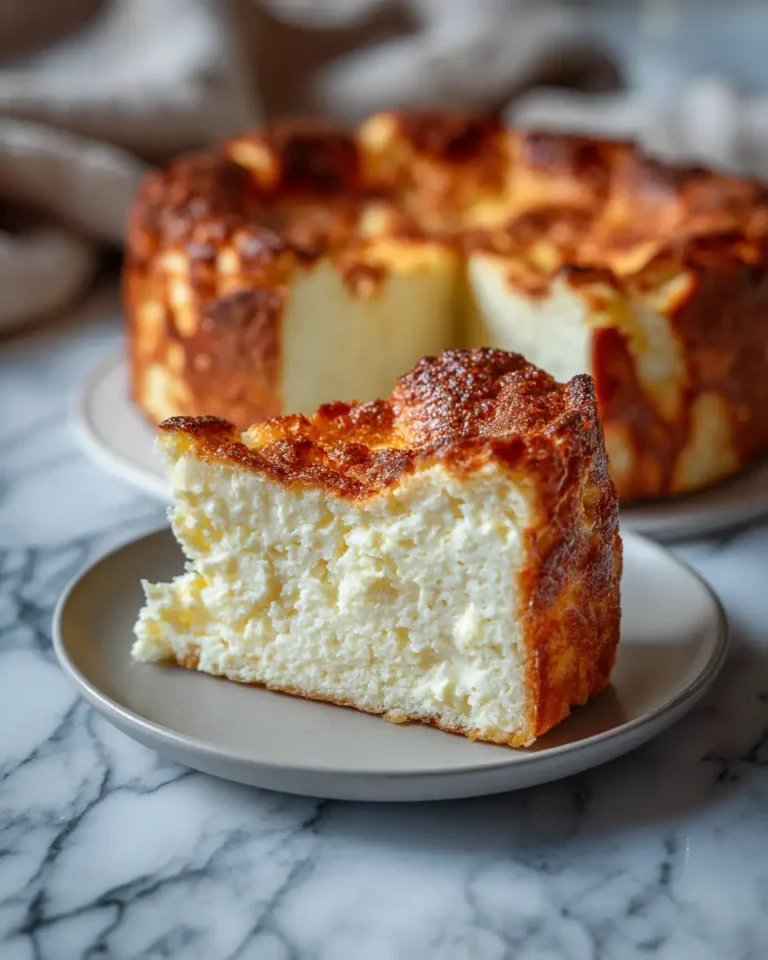
Decadent Sicilian Ricotta Cheesecake Recipe You Have to Try
Learn how to make delicious Sicilian Ricotta Cheesecake. Easy recipe with step-by-step instructions.
- Total Time: 45 minutes
- Yield: 4 servings 1x
Ingredients
- 500g fresh ricotta cheese (drained well to avoid excess moisture)
- 150g caster sugar
- 3 large eggs, at room temperature
- 1 teaspoon vanilla extract
- Zest of 1 lemon (preferably unwaxed)
- Zest of 1 orange
- 2 tablespoons all-purpose flour
- 1/4 teaspoon salt
- Butter, for greasing the pan
- Optional: 1 tablespoon orange blossom water or a splash of limoncello for a fragrant twist
Pro tip from my mum’s kitchen: If you can’t find fresh ricotta, full-fat cottage cheese blended until smooth is a decent substitute, though it won’t be quite as silkily textured.
Instructions
- Preheat your oven to 160°C (320°F) and butter a 9-inch springform pan thoroughly. This step is crucial to ensure the cheesecake slips out easily once baked.
- In a large bowl, combine the ricotta and caster sugar. Using a wooden spoon or an electric mixer on low speed, beat until the mixture is smooth and creamy. It should look like a thick custard. Growing up, I’d sneak early morning tastes here—such a delicious test of patience!
- Add the eggs one at a time, beating gently after each addition. The batter will lighten and become silkier. Remember, gentle folding is key to keep the texture light.
- Stir in the vanilla extract, lemon zest, orange zest, and salt. If using, add the orange blossom water or limoncello now. I recall the first time I added orange blossom—it transformed the cheesecake into something ethereal, like a secret whispered by the Mediterranean breeze.
- Sift the flour over the mixture and fold it in carefully. This little bit of flour helps the cheesecake set without overpowering the delicate ricotta flavour.
- Pour the batter into the prepared pan and smooth the top with a spatula.
- Bake in the preheated oven for around 50-60 minutes. The cheesecake should be set but still have a slight wobble in the centre—similar to a perfectly cooked custard tart. I always check it at 50 minutes to avoid overbaking, as the texture can quickly become dry.
- Turn off the oven and leave the cheesecake inside with the door slightly open for 15 minutes. This gradual cooling step helps prevent cracks.
- Remove from the oven and let the cheesecake cool completely at room temperature. Then chill it in the fridge for at least 4 hours or overnight—this rest is where the flavours deepen and the texture settles into that iconic creamy softness.
- Before serving, run a knife around the edges to loosen the cake, then carefully remove the springform pan. You might want to dust the top lightly with icing sugar or garnish with fresh berries for an extra touch of charm.
- Prep Time: 15 minutes
- Cook Time: 30 minutes
- Category: Main Dish
- Method: Cooking
- Cuisine: International
Steps to Create Your Sicilian Ricotta Cheesecake
- Preheat your oven to 160°C (320°F) and butter a 9-inch springform pan thoroughly. This step is crucial to ensure the cheesecake slips out easily once baked.
- In a large bowl, combine the ricotta and caster sugar. Using a wooden spoon or an electric mixer on low speed, beat until the mixture is smooth and creamy. It should look like a thick custard. Growing up, I’d sneak early morning tastes here—such a delicious test of patience!
- Add the eggs one at a time, beating gently after each addition. The batter will lighten and become silkier. Remember, gentle folding is key to keep the texture light.
- Stir in the vanilla extract, lemon zest, orange zest, and salt. If using, add the orange blossom water or limoncello now. I recall the first time I added orange blossom—it transformed the cheesecake into something ethereal, like a secret whispered by the Mediterranean breeze.
- Sift the flour over the mixture and fold it in carefully. This little bit of flour helps the cheesecake set without overpowering the delicate ricotta flavour.
- Pour the batter into the prepared pan and smooth the top with a spatula.
- Bake in the preheated oven for around 50-60 minutes. The cheesecake should be set but still have a slight wobble in the centre—similar to a perfectly cooked custard tart. I always check it at 50 minutes to avoid overbaking, as the texture can quickly become dry.
- Turn off the oven and leave the cheesecake inside with the door slightly open for 15 minutes. This gradual cooling step helps prevent cracks.
- Remove from the oven and let the cheesecake cool completely at room temperature. Then chill it in the fridge for at least 4 hours or overnight—this rest is where the flavours deepen and the texture settles into that iconic creamy softness.
- Before serving, run a knife around the edges to loosen the cake, then carefully remove the springform pan. You might want to dust the top lightly with icing sugar or garnish with fresh berries for an extra touch of charm.
Tips for Making the Best Sicilian Ricotta Cheesecake
- Drain your ricotta well: I learned this the hard way when my first cheesecake was a tad too wet. Wrap the ricotta in a clean tea towel and let it drain over a bowl for an hour or two in the fridge.
- Use room temperature eggs: This helps the batter come together smoothly without curdling, a trick my mum always emphasised when teaching me to bake early on.
- Don’t overmix the batter: Gentle folding keeps the texture light and airy. Think of it as folding in memories, not just ingredients.
- Keep an eye on baking time: Oven temperatures vary, so start checking at 50 minutes. The cheesecake should jiggle slightly but not wobble like jelly.
- Experiment with citrus zest: Lemon and orange provide that classic brightness, but sometimes I add a hint of blood orange or lime zest for a playful twist.
- Patience is a virtue: Let the cheesecake chill well—this step is as important as the baking itself. It’s where the magic truly happens.
Serving Suggestions and Pairings

I love serving Sicilian Ricotta Cheesecake simply—sometimes with a drizzle of honey or a scattering of fresh berries picked from my garden. On other occasions, I’ll make a quick compote of plums or cherries, simmered gently with a splash of red wine and a cinnamon stick, a nod to those cosy Devon afternoons spent around the kitchen table.
For drinks, a strong black tea, like the one my mum brewed every afternoon, balances the subtle sweetness beautifully. Alternatively, a glass of dessert wine, such as a Moscato d’Asti, invites a festive air to the table, perfect for when friends and family gather, filling the room with chatter and clinking glasses.
When I’ve served this cheesecake at dinner parties, it’s often the star that sparks stories—guests reminiscing about their travels or sharing their own cherished family recipes. It’s a dessert that invites connection, much like the kitchen conversations I grew up with in Devon.
Storage and Reheating Tips
After the cheesecake has cooled completely and been chilled, it will keep well in the fridge, covered tightly with cling film or stored in an airtight container, for up to 4 days. If it lasts that long, that is—this cheesecake has a way of disappearing fast!
If you want to prepare it a day ahead, that’s even better—the flavours have time to meld and develop. Avoid freezing if possible, as the texture of ricotta can become grainy after thawing. However, if you must freeze, wrap the cheesecake tightly in plastic wrap and foil, then thaw slowly in the fridge overnight before serving.
Reheating isn’t usually necessary, but if you prefer to serve it slightly warm, bring it to room temperature first, then warm gently in a low oven (about 120°C/250°F) for 10 minutes. Be careful not to overheat, as it can dry out.
Frequently Asked Questions
What are the main ingredients for Sicilian Ricotta Cheesecake?
The main ingredients for Sicilian Ricotta Cheesecake include the items listed in our ingredients section above. Each ingredient plays a crucial role in achieving the perfect flavor and texture.
How long does it take to make Sicilian Ricotta Cheesecake?
The total time to make Sicilian Ricotta Cheesecake includes both preparation and cooking time. Check the recipe card above for exact timing details.
Can I make Sicilian Ricotta Cheesecake ahead of time?
Yes, Sicilian Ricotta Cheesecake can often be prepared in advance. Store it properly in an airtight container in the refrigerator and consume within the recommended timeframe.
What can I serve with Sicilian Ricotta Cheesecake?
Sicilian Ricotta Cheesecake pairs well with various sides and accompaniments. Consider the serving suggestions mentioned in the recipe for the best dining experience.
Is Sicilian Ricotta Cheesecake suitable for special diets?
Depending on the ingredients used, Sicilian Ricotta Cheesecake may be adapted for various dietary needs. Check the ingredients list and consider substitutions as needed for your dietary requirements.
Final Thoughts
Making Sicilian Ricotta Cheesecake is like weaving together threads of my past and present—each ingredient a reminder of home, family, and the simple joy of baking with love. It’s a recipe that invites you to slow down, to savour the process as much as the result, and to remember that food is so much more than just sustenance. It’s laughter shared over too-small tables, the comfort of familiar aromas, and the magic of creating something timeless with your own hands.
Whether you’re an experienced baker or someone who just loves the idea of a light, fragrant cake that feels like a sunbeam on a plate, I hope this recipe brings a little slice of Sicily—and a whole lot of warmth—into your kitchen. From my cottage in Devon to wherever you are now, happy baking and even happier eating.