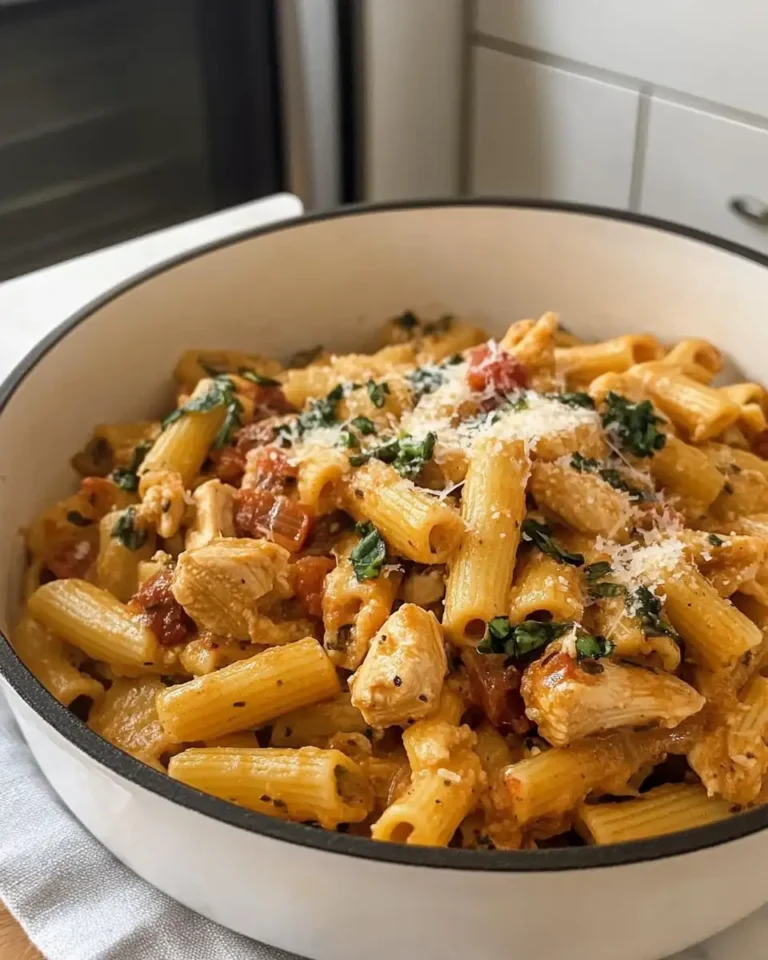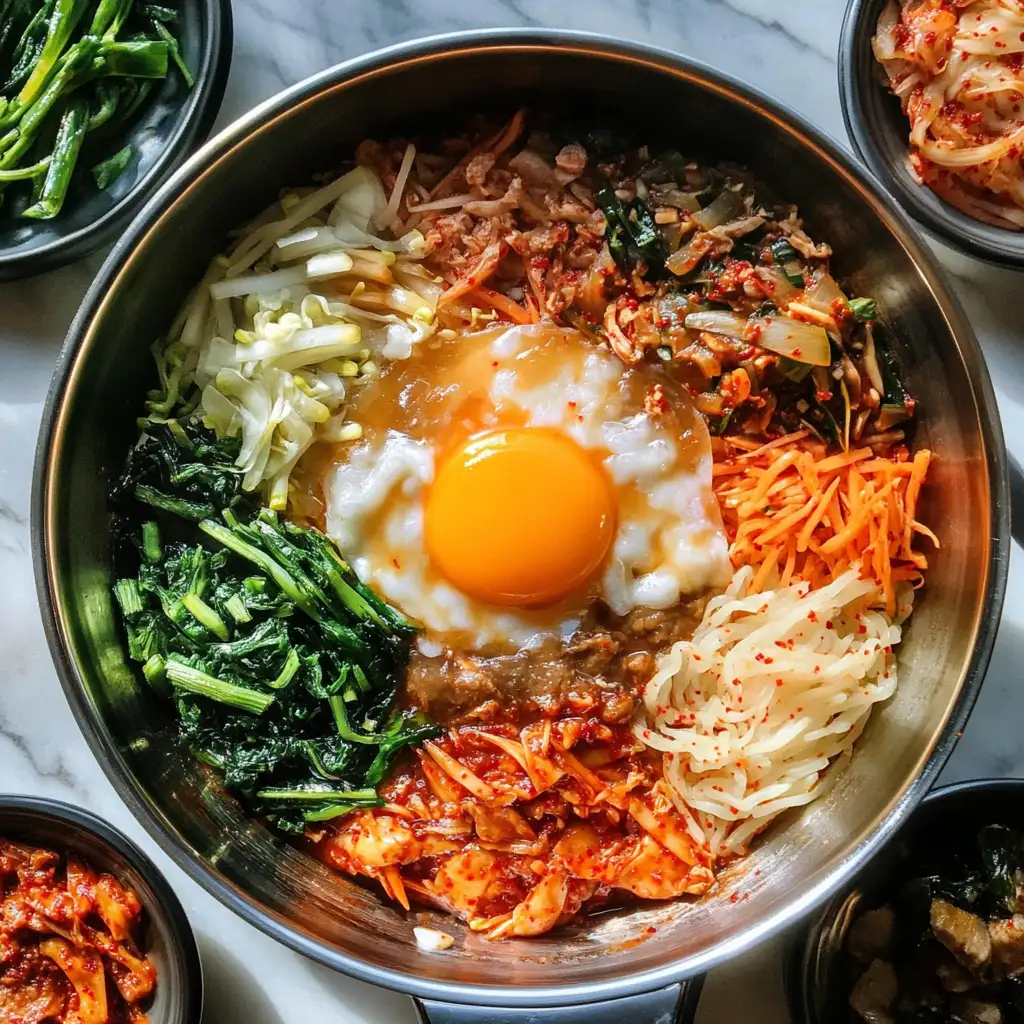
Korean One Pots: Your Ultimate Guide to Flavor-Packed Convenience
The beauty of korean one pots lies not just in their simplicity, but in their ability to transform a handful of ingredients into something utterly magical. As someone who grew up in the cozy embrace of my mum’s Devonshire kitchen, where every dish was a story in itself, I find korean one pots to be a delightful blend of warmth and tradition. There’s something deeply comforting about gathering a few humble components and watching them meld into a fragrant, flavorful feast, much like the cinnamon-dusted apple crumbles that filled my childhood home with their sweet allure.
Table of Contents
Why You’ll Love This Korean One Pots
What’s not to love about korean one pots? They’re the epitome of comfort food, just as a hearty Sunday roast shared at a crowded table. These dishes are perfect for a busy weeknight or a lazy weekend when you crave something nourishing yet uncomplicated. With korean one pots, you get a burst of flavors from a single pot — reducing not just the hassle of cleanup but also ensuring that every ingredient has a chance to shine. It’s akin to the way my mum would let her stews bubble gently on the stove, each ingredient contributing its part to the symphony of flavors.
Ingredients You’ll Need for This Korean One Pots
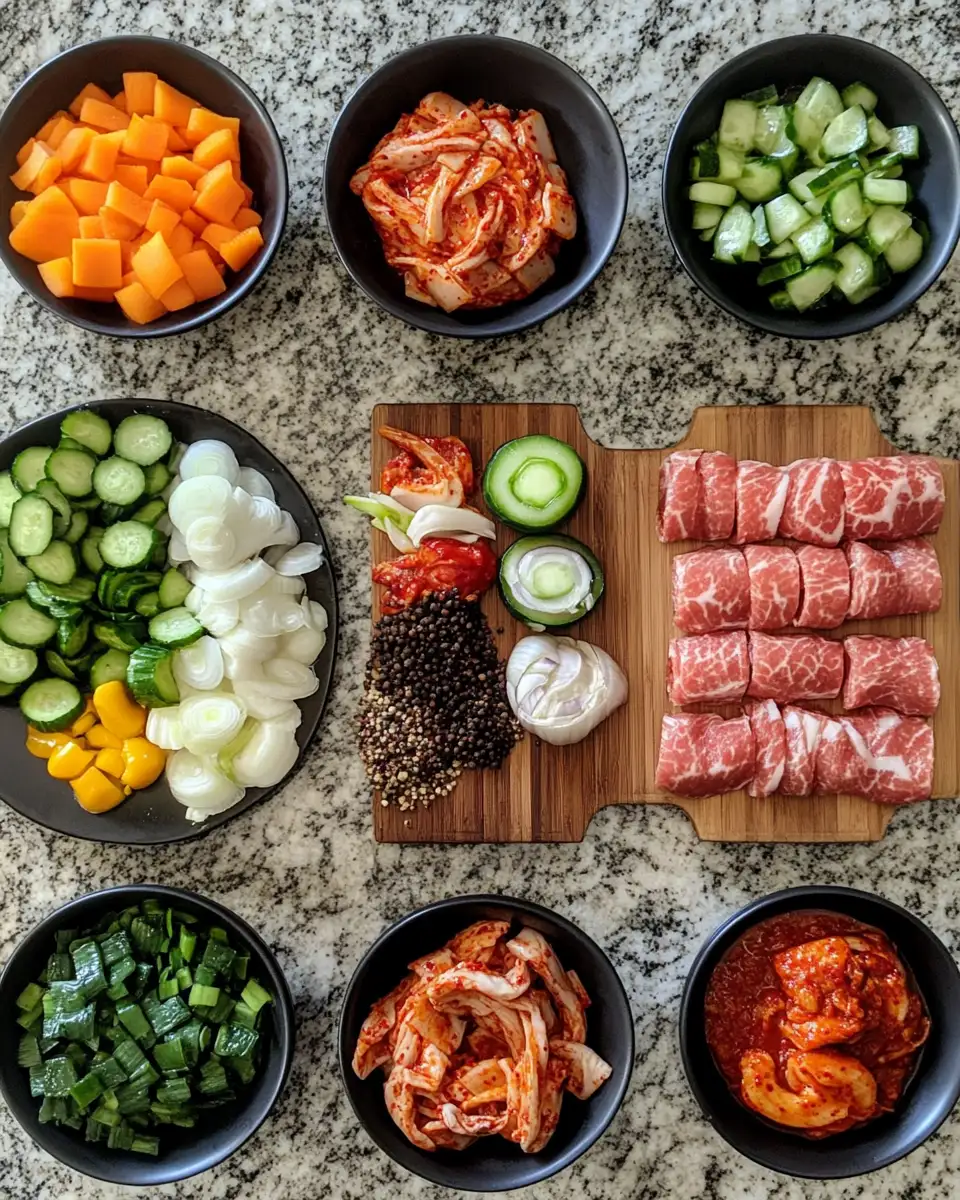
As you prepare to dive into the world of korean one pots, gather these ingredients to make your cooking experience as seamless as possible. Remember, substitutions are always welcome, and I encourage a sprinkle of creativity, just as my mum did when she’d add an unexpected pinch of spice to her bakes.
- 2 tablespoons sesame oil
- 1 onion, thinly sliced
- 3 cloves garlic, minced
- 1 tablespoon ginger, grated
- 1 pound chicken thighs, cut into bite-sized pieces
- 2 cups kimchi, roughly chopped
- 2 tablespoons gochujang (Korean chili paste)
- 4 cups chicken broth
- 1 tablespoon soy sauce
- 1 tablespoon rice vinegar
- 1 cup tofu, cubed
- 2 cups cooked rice
- 2 green onions, sliced
- Salt and pepper to taste
Nutrition Facts
Understanding what goes into your body is as important as savoring the flavors. Here’s what you can expect nutritionally from a serving of this delightful dish.
- Calories: 450 per serving
- Protein: 28g
- Fat: 15g
- Carbohydrates: 50g
- Fiber: 5g
- Sugar: 5g
- Sodium: 950mg

Korean One Pots: Your Ultimate Guide to Flavor-Packed Convenience
Learn how to make delicious korean one pots. Easy recipe with step-by-step instructions.
- Total Time: 45 minutes
- Yield: 4 servings 1x
Ingredients
As you prepare to dive into the world of korean one pots, gather these ingredients to make your cooking experience as seamless as possible. Remember, substitutions are always welcome, and I encourage a sprinkle of creativity, just as my mum did when she’d add an unexpected pinch of spice to her bakes.
- 2 tablespoons sesame oil
- 1 onion, thinly sliced
- 3 cloves garlic, minced
- 1 tablespoon ginger, grated
- 1 pound chicken thighs, cut into bite-sized pieces
- 2 cups kimchi, roughly chopped
- 2 tablespoons gochujang (Korean chili paste)
- 4 cups chicken broth
- 1 tablespoon soy sauce
- 1 tablespoon rice vinegar
- 1 cup tofu, cubed
- 2 cups cooked rice
- 2 green onions, sliced
- Salt and pepper to taste
Instructions
Let’s turn these ingredients into a soul-warming dish that feels like a hug in a bowl. Cooking korean one pots is a bit like painting a memory — each step is deliberate and filled with care.
- Heat the sesame oil in a large pot over medium heat. Add the onion and sauté until softened, about 5 minutes. It should remind you of the gentle sizzle of onions on a quiet morning, bringing back the promise of a new day.
- Add the garlic and ginger, cooking until fragrant, about 1 minute. The kitchen should be filled with their warm, inviting aroma, much like the scents that would waft through our Devonshire home.
- Increase the heat slightly and add the chicken thighs. Cook until they are browned on all sides, about 5 minutes.
- Stir in the kimchi and gochujang, mixing well to coat the chicken pieces. This is where the magic happens, as the spicy, tangy notes start to develop.
- Pour in the chicken broth, soy sauce, and rice vinegar. Bring the mixture to a boil, then reduce the heat to a simmer. Let it cook for about 20 minutes, allowing all the flavors to meld together beautifully.
- Add the tofu cubes and cook for another 5 minutes, just enough time for them to absorb the delicious broth.
- Season with salt and pepper to taste. Stir in the cooked rice until thoroughly combined.
- Garnish with sliced green onions before serving, adding a touch of freshness reminiscent of spring in the Devon countryside.
- Prep Time: 15 minutes
- Cook Time: 30 minutes
- Category: Main Dish
- Method: Cooking
- Cuisine: International
Steps to Create Your Korean One Pots
Let’s turn these ingredients into a soul-warming dish that feels like a hug in a bowl. Cooking korean one pots is a bit like painting a memory — each step is deliberate and filled with care.
- Heat the sesame oil in a large pot over medium heat. Add the onion and sauté until softened, about 5 minutes. It should remind you of the gentle sizzle of onions on a quiet morning, bringing back the promise of a new day.
- Add the garlic and ginger, cooking until fragrant, about 1 minute. The kitchen should be filled with their warm, inviting aroma, much like the scents that would waft through our Devonshire home.
- Increase the heat slightly and add the chicken thighs. Cook until they are browned on all sides, about 5 minutes.
- Stir in the kimchi and gochujang, mixing well to coat the chicken pieces. This is where the magic happens, as the spicy, tangy notes start to develop.
- Pour in the chicken broth, soy sauce, and rice vinegar. Bring the mixture to a boil, then reduce the heat to a simmer. Let it cook for about 20 minutes, allowing all the flavors to meld together beautifully.
- Add the tofu cubes and cook for another 5 minutes, just enough time for them to absorb the delicious broth.
- Season with salt and pepper to taste. Stir in the cooked rice until thoroughly combined.
- Garnish with sliced green onions before serving, adding a touch of freshness reminiscent of spring in the Devon countryside.
Tips for Making the Best Korean One Pots
Creating the perfect korean one pot is as much an art as it is a science. Here are some tips to ensure your dish is as delightful as sharing tea-stained notebooks with friends by the fire.
Use Fresh Ingredients: Fresh garlic and ginger are essential for that authentic flavor. It’s much like the way my mum insisted on the freshest apples for her crumbles.
Customize Your Protein: While chicken is a classic choice, you can easily swap it for beef or pork. It’s about embracing what you have, just as we did with our Sunday roasts.
Adjust the Heat: If you prefer a milder dish, reduce the amount of gochujang, or add more if you’re feeling adventurous.
Serving Suggestions and Pairings
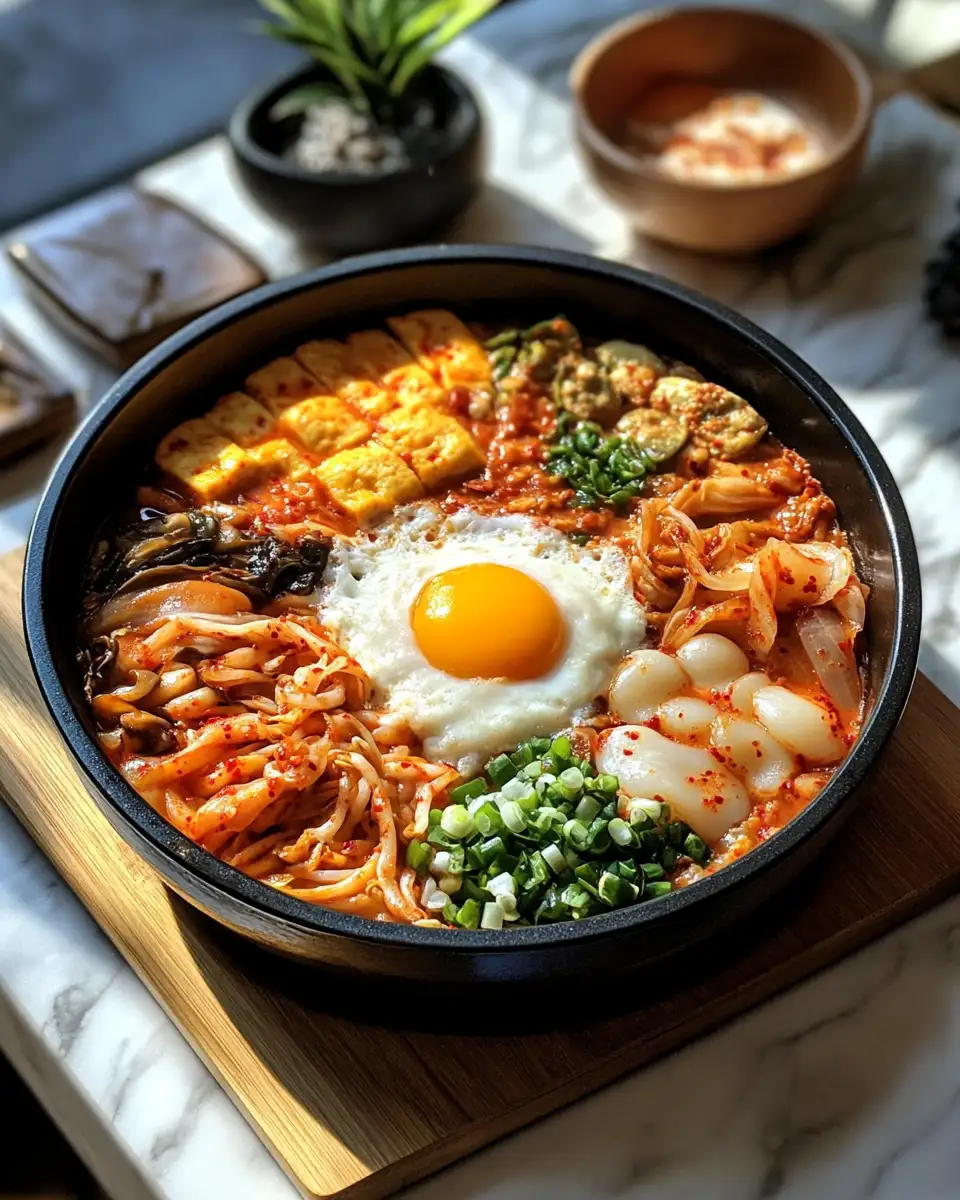
Korean one pots are versatile and pair beautifully with a range of side dishes. Consider serving with a simple cucumber salad or some steamed vegetables to complement the rich flavors of the stew. A cup of green tea on the side wouldn’t go amiss either, offering a soothing counterbalance, much like a gentle walk along a Devonshire lane.
Storage and Reheating Tips
One of the joys of korean one pots is that they taste even better the next day. Store leftovers in an airtight container in the refrigerator for up to three days. To reheat, simply warm on the stove over medium heat until thoroughly heated. If the mixture thickens too much, add a splash of water or broth to loosen it up, just as a splash of cream can revive a morning cup of tea.
Frequently Asked Questions
What are the main ingredients for korean one pots?
The main ingredients for korean one pots include the items listed in our ingredients section above. Each ingredient plays a crucial role in achieving the perfect flavor and texture.
How long does it take to make korean one pots?
The total time to make korean one pots includes both preparation and cooking time. Check the recipe card above for exact timing details.
Can I make korean one pots ahead of time?
Yes, korean one pots can often be prepared in advance. Store it properly in an airtight container in the refrigerator and consume within the recommended timeframe.
What can I serve with korean one pots?
korean one pots pairs well with various sides and accompaniments. Consider the serving suggestions mentioned in the recipe for the best dining experience.
Is korean one pots suitable for special diets?
Depending on the ingredients used, korean one pots may be adapted for various dietary needs. Check the ingredients list and consider substitutions as needed for your dietary requirements.
Final Thoughts
Crafting these korean one pots is a journey that connects the past with the present, much like the well-thumbed recipes my mum passed down to me. Each spoonful carries with it a story, a memory, a moment. As you stir your pot, let it be an expression of love and warmth, a dish that brings people together, no matter how small the table or how large the gathering. This is the essence of home cooking — simple, heartfelt, and always with a touch of magic, just like a sprinkle of cinnamon.