Master the Art of the Homemade French Croissant with This Simple Recipe
There’s something truly enchanting about a homemade French croissant—the way its golden layers catch the morning light, the buttery scent that fills the kitchen, and the gentle crackle as you break it apart. Growing up in the Devon countryside, my earliest memories are steeped in my mum’s kitchen, where the air was always rich with the smell of baking. While scones and crumbles were our usual fare, the idea of mastering a croissant always felt like a secret art, a recipe that told a story with every fold and turn. Today, I’m thrilled to share a recipe for a homemade French croissant that brings that magic right to your own kitchen, with all the warmth and care of a Sunday morning in the countryside.
Table of Contents
Why You’ll Love This Homemade French Croissant
There’s a reason croissants have earned their place as the crown jewel of French patisserie. They’re more than just a pastry; they’re a testament to patience, precision, and passion. But what I adore most about these homemade French croissants is how they transform your kitchen into a little bakery, filling it with the kind of aromas that make you want to pause, breathe deeply, and savour the moment.
Making croissants from scratch might seem daunting, but I promise it’s worth every step. It’s like painting a memory with butter and dough, just as I learned from my mum in our little Devon cottage. This recipe embraces the traditional lamination process—the delicate folding of butter into dough to create those signature flaky layers—while being accessible enough for a home cook to achieve without fancy machinery.
Plus, there’s a special joy in sharing these golden crescents with loved ones, whether it’s a quiet breakfast with a pot of tea or a bustling brunch with a table too small for all the friends and family gathered around. Each bite carries a story, a little piece of the countryside warmth I grew up with.
Ingredients You’ll Need for This Homemade French Croissant
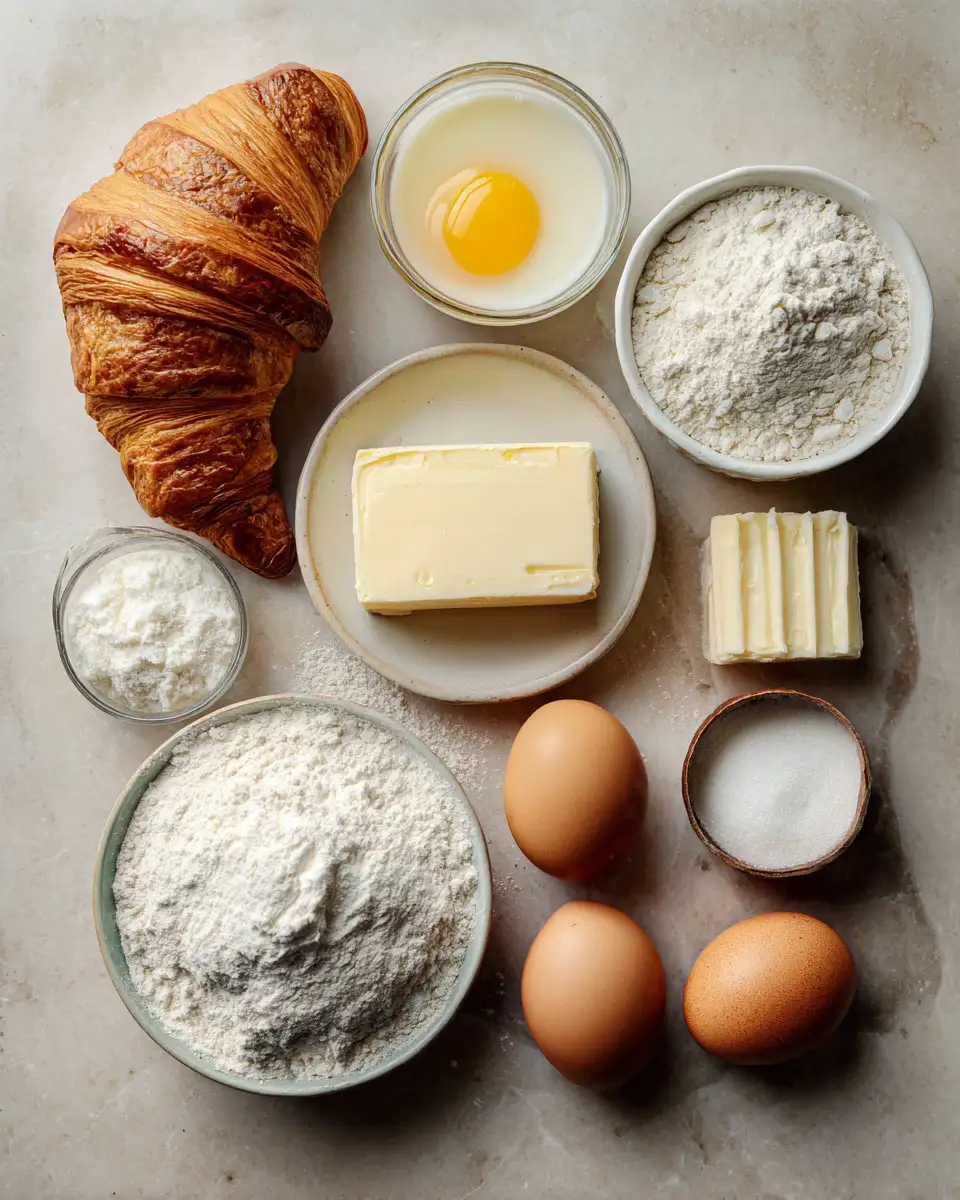
- 4 cups (500g) all-purpose flour, plus extra for dusting (you can substitute with bread flour for a chewier texture)
- 1/2 cup (120ml) whole milk, warmed to about 100°F (38°C)
- 1/2 cup (120ml) water, warmed to about 100°F (38°C)
- 1/4 cup (50g) granulated sugar
- 2 teaspoons (7g) active dry yeast
- 1 1/2 teaspoons (9g) fine sea salt
- 1 cup (225g) unsalted butter, cold (use European-style butter if possible for richer flavour)
- 1 large egg, beaten (for egg wash; substitute with milk for a lighter glaze)
Nutrition Facts
- Calories: Approximately 320 per croissant (based on 12 servings)
- Protein: 6g
- Fat: 16g (mostly from butter)
- Carbohydrates: 36g
- Fiber: 1g
- Sugar: 5g
- Sodium: 210mg

Master the Art of the Homemade French Croissant with This Simple Recipe
Learn how to make delicious Homemade French Croissant. Easy recipe with step-by-step instructions.
- Total Time: 45 minutes
- Yield: 4 servings 1x
Ingredients
- 4 cups (500g) all-purpose flour, plus extra for dusting (you can substitute with bread flour for a chewier texture)
- 1/2 cup (120ml) whole milk, warmed to about 100°F (38°C)
- 1/2 cup (120ml) water, warmed to about 100°F (38°C)
- 1/4 cup (50g) granulated sugar
- 2 teaspoons (7g) active dry yeast
- 1 1/2 teaspoons (9g) fine sea salt
- 1 cup (225g) unsalted butter, cold (use European-style butter if possible for richer flavour)
- 1 large egg, beaten (for egg wash; substitute with milk for a lighter glaze)
Instructions
- In a small bowl, combine the warm milk, water, and sugar. Sprinkle the yeast over the top and let it bloom for about 5-10 minutes until foamy. This is where patience begins, much like waiting for my mum’s dough to rise on chilly Devon mornings.
- In a large mixing bowl, sift the flour and salt together. Make a well in the center and pour in the yeast mixture. Use a wooden spoon or your hands to gradually bring the dough together until it forms a shaggy ball.
- Turn the dough onto a lightly floured surface and knead for about 8-10 minutes until smooth and elastic. I find this part especially grounding—kneading dough always feels like a kind of therapy, connecting you to the process in a tactile way.
- Shape the dough into a rectangle, wrap it tightly in cling film, and refrigerate for at least 1 hour, or overnight for best flavour development.
- Meanwhile, prepare your butter block: place the cold butter between two sheets of parchment paper and bash it gently with a rolling pin to soften slightly, then roll it out into a thin, even rectangle about 8×8 inches. Chill again if it becomes too soft.
- Roll out your dough on a floured surface into a rectangle roughly 16×10 inches. Place the butter block in the center and fold the dough edges over to encase the butter fully, like wrapping a precious gift.
- Begin the lamination process: roll the dough out gently into a long rectangle (about 24×8 inches), then fold it into thirds, like a letter. This is your first “turn.” Wrap in cling film and chill for 30 minutes. Repeat this rolling and folding (turn) two more times, chilling between each. This layering is what creates those irresistible flaky layers, a technique my mum always said was “worth the wait.”
- After the final turn and chill, roll the dough out to about 20×12 inches and cut it into triangles about 5 inches wide at the base. I like to work with a sharp knife or pizza cutter for clean edges.
- To shape the croissants, gently stretch each triangle just a little, then roll it up from the wide end toward the tip, tucking the tip underneath to prevent unrolling during baking.
- Place the croissants on parchment-lined baking trays, leaving space between them. Cover loosely with a clean tea towel and let rise at room temperature for 1.5 to 2 hours, or until puffy and nearly doubled. I always feel a little thrill watching them bloom, like catching a glimpse of the countryside’s own slow magic.
- Preheat your oven to 400°F (200°C). Brush the croissants gently with the beaten egg for a shiny, golden finish.
- Bake for 15-18 minutes, rotating trays halfway through, until deep golden brown and crisp. If you’re anything like me, you’ll find it hard to resist sneaking a peek—and a nibble—as soon as they come out of the oven.
- Allow to cool slightly on a wire rack before enjoying. The layers will still be tender and buttery, with that unmistakable croissant crackle as you bite into one.
- Prep Time: 15 minutes
- Cook Time: 30 minutes
- Category: Main Dish
- Method: Cooking
- Cuisine: International
Steps to Create Your Homemade French Croissant
- In a small bowl, combine the warm milk, water, and sugar. Sprinkle the yeast over the top and let it bloom for about 5-10 minutes until foamy. This is where patience begins, much like waiting for my mum’s dough to rise on chilly Devon mornings.
- In a large mixing bowl, sift the flour and salt together. Make a well in the center and pour in the yeast mixture. Use a wooden spoon or your hands to gradually bring the dough together until it forms a shaggy ball.
- Turn the dough onto a lightly floured surface and knead for about 8-10 minutes until smooth and elastic. I find this part especially grounding—kneading dough always feels like a kind of therapy, connecting you to the process in a tactile way.
- Shape the dough into a rectangle, wrap it tightly in cling film, and refrigerate for at least 1 hour, or overnight for best flavour development.
- Meanwhile, prepare your butter block: place the cold butter between two sheets of parchment paper and bash it gently with a rolling pin to soften slightly, then roll it out into a thin, even rectangle about 8×8 inches. Chill again if it becomes too soft.
- Roll out your dough on a floured surface into a rectangle roughly 16×10 inches. Place the butter block in the center and fold the dough edges over to encase the butter fully, like wrapping a precious gift.
- Begin the lamination process: roll the dough out gently into a long rectangle (about 24×8 inches), then fold it into thirds, like a letter. This is your first “turn.” Wrap in cling film and chill for 30 minutes. Repeat this rolling and folding (turn) two more times, chilling between each. This layering is what creates those irresistible flaky layers, a technique my mum always said was “worth the wait.”
- After the final turn and chill, roll the dough out to about 20×12 inches and cut it into triangles about 5 inches wide at the base. I like to work with a sharp knife or pizza cutter for clean edges.
- To shape the croissants, gently stretch each triangle just a little, then roll it up from the wide end toward the tip, tucking the tip underneath to prevent unrolling during baking.
- Place the croissants on parchment-lined baking trays, leaving space between them. Cover loosely with a clean tea towel and let rise at room temperature for 1.5 to 2 hours, or until puffy and nearly doubled. I always feel a little thrill watching them bloom, like catching a glimpse of the countryside’s own slow magic.
- Preheat your oven to 400°F (200°C). Brush the croissants gently with the beaten egg for a shiny, golden finish.
- Bake for 15-18 minutes, rotating trays halfway through, until deep golden brown and crisp. If you’re anything like me, you’ll find it hard to resist sneaking a peek—and a nibble—as soon as they come out of the oven.
- Allow to cool slightly on a wire rack before enjoying. The layers will still be tender and buttery, with that unmistakable croissant crackle as you bite into one.
Tips for Making the Best Homemade French Croissant
- Keep everything cold: Butter and dough warmth are the biggest culprits if your croissants lose their shape. I learned from my mum to chill the dough well between turns—this keeps the butter firm and creates those flaky layers.
- Use good quality butter: It makes all the difference. I always reach for European-style butter with higher fat content for a richer flavour that sings through each layer.
- Be patient with proofing: Croissants rise slowly—rushing this step risks dense, chewy results. I often make my dough the night before, letting it rest in the fridge to develop deeper flavour and texture.
- Roll gently: When rolling out the dough, try to keep even pressure to maintain the butter layer intact. Think of it like folding a letter delicately; you want those layers to remain distinct.
- Don’t skip the egg wash: It gives croissants that irresistible golden sheen and slight crispiness on the outside, just as my mum’s always did on her apple crumbles.
Serving Suggestions and Pairings

Croissants are wonderfully versatile, and how you serve them can create entirely different experiences. My favourite way, echoing those cozy Devon mornings, is simply with a pat of good butter and a smear of homemade jam or honey. The contrast of warm, flaky pastry with sweet fruit feels like a hug on a plate. Learn more: Irresistible Recipe for Cinnamon Roll French Toast Bites That Will Sweeten Your Morning
For something a little more indulgent, try them with a slice of creamy brie or a few ribbons of smoked salmon and a squeeze of lemon. A soft-boiled egg and a pot of strong, milky tea on the side complete the picture perfectly.
And if you’re feeling adventurous, croissants make excellent bases for breakfast sandwiches—layered with ham, cheese, and a fried egg for a hearty start to the day. I remember many a Sunday spent sharing these at a table packed too tightly with family and friends, laughter as rich as the butter in the dough.
Storage and Reheating Tips
Homemade French croissants are best enjoyed fresh, but life being what it is, sometimes you need to save a few for later. Here’s what I’ve learned from years of baking and sharing:
- To store: Keep croissants in an airtight container at room temperature for up to 2 days. Avoid refrigeration as it dries them out quickly.
- To freeze: Wrap individual croissants tightly in plastic wrap and place in a freezer bag for up to 1 month. Thaw at room temperature when ready to eat.
- To reheat: Warm croissants in a preheated 350°F (175°C) oven for 5-7 minutes. This refreshes their crisp edges and soft interiors better than a microwave ever could.
Frequently Asked Questions
What are the main ingredients for Homemade French Croissant?
The main ingredients for Homemade French Croissant include the items listed in our ingredients section above. Each ingredient plays a crucial role in achieving the perfect flavor and texture.
How long does it take to make Homemade French Croissant?
The total time to make Homemade French Croissant includes both preparation and cooking time. Check the recipe card above for exact timing details.
Can I make Homemade French Croissant ahead of time?
Yes, Homemade French Croissant can often be prepared in advance. Store it properly in an airtight container in the refrigerator and consume within the recommended timeframe.
What can I serve with Homemade French Croissant?
Homemade French Croissant pairs well with various sides and accompaniments. Consider the serving suggestions mentioned in the recipe for the best dining experience.
Is Homemade French Croissant suitable for special diets?
Depending on the ingredients used, Homemade French Croissant may be adapted for various dietary needs. Check the ingredients list and consider substitutions as needed for your dietary requirements.
Final Thoughts
Making homemade French croissants is a journey—one that invites you to slow down, to pay attention, and to fill your kitchen with the kind of magic I grew up surrounded by in Devon. It’s a recipe woven with tradition, patience, and a pinch of love, much like the cinnamon-dusted apple crumbles my mum used to bake that still linger in my memory like a sweet song.
Whether you’re breaking your first croissant or perfecting your technique after many attempts, remember that every fold and rise is a story, a small celebration of home and hearth. With these croissants, you’re not just baking—you’re creating an experience, a moment to share, and a memory to savour. So roll up your sleeves, dust off your rolling pin, and let the buttery layers unfold into something truly wonderful.